
Wild thyme field guide
Is Thyme Safe for Dogs, Cats and Rabbits? The Herb and the Oil
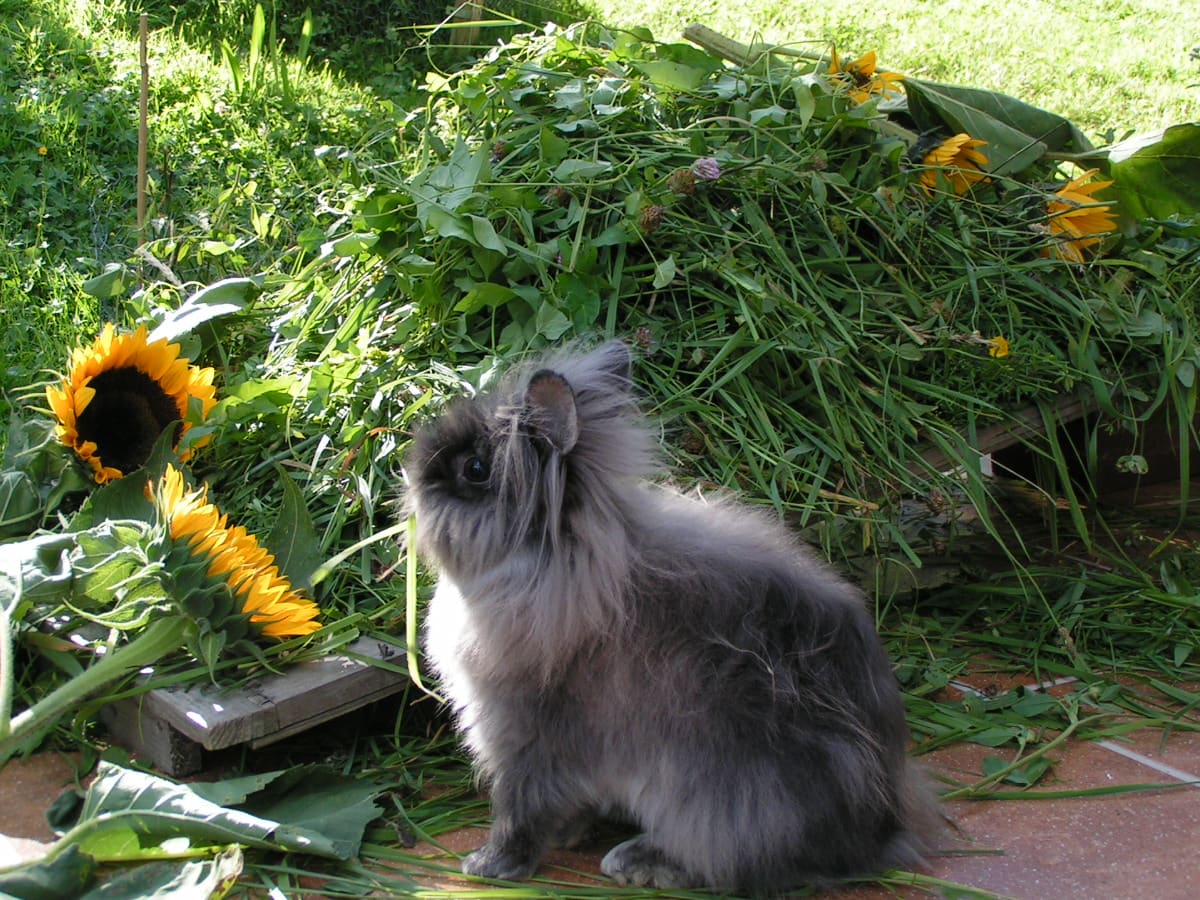
A dog chews the edge of the thyme pot by the back door, or a rabbit is offered a sprig from the kitchen, and the question follows within a minute: is this a problem? For the plant itself, the short answer from the people who keep the lists is no. The longer answer is about the difference between a herb and a bottle of essential oil, and that difference is where pets actually get hurt.
What the ASPCA says about thyme
The American Society for the Prevention of Cruelty to Animals runs a poison control service and publishes a long, searchable list of plants marked as toxic or non-toxic to dogs, cats and horses. It is the reference most vets and pet charities point to, in Britain as well as America, because it is detailed and kept up to date.
Its entry for thyme, Thymus vulgaris, marks the plant as non-toxic to dogs, cats and horses, with no toxic principles listed. That covers the plant growing in the garden and the herb used in cooking.
Non-toxic is a statement about poisoning, not about quantity. A dog that eats a whole pot of anything leafy may be sick, and that is the stomach complaining about volume rather than a reaction to thyme.
Dogs
A dog that eats some thyme from the garden, or finds a sprig in a roasting tin, does not need a trip to the vet on account of the thyme. The ASPCA listing is clear, and thyme is commonly suggested for pet-friendly gardens and herb borders.
The thing to watch is the rest of the plate. Thyme rarely travels alone in human cooking. Stuffing, gravy, roast vegetables and sauces that use thyme very often also use onion, garlic, leeks or chives, and those are genuinely harmful to dogs, along with grapes, raisins, chocolate and xylitol. If a dog has eaten seasoned food, the onion and garlic are the questions to ask about, not the thyme.
Dried thyme from the spice rack is the same plant, concentrated by drying. A dog licking up a spilled pinch is not in danger; a dog that has eaten a whole jar should be watched for stomach upset, and a vet called if it seems unwell.
Cats
The ASPCA lists the thyme plant as non-toxic to cats too. Cats rarely eat herbs in any quantity, and a cat sniffing or nibbling a thyme plant on a windowsill is behaving normally.
Cats do have a real problem with essential oils, and thyme oil is among the strong ones. Concentrated plant oils are a different thing from the leaves they come from. The oil in a dropper bottle is the product of a large amount of plant, distilled down, and cats are known to be sensitive to many essential oils, whether licked off fur, absorbed through skin or breathed in from a diffuser over time.
That is why advice that seems to contradict itself (“thyme is safe for cats”, “thyme is dangerous for cats”) is usually talking about two different things. The plant and the kitchen herb are on the non-toxic list. Thyme essential oil, oil diffusers and strongly scented thyme products are best kept out of homes with cats altogether, and any exposure to them is a question for a vet.
Rabbits
Rabbits are the pets most likely to be offered thyme deliberately, and the UK guidance is encouraging.
Thyme appears on the Rabbit Welfare Association and Fund’s list of herbs and plants that are safe to feed, alongside basil, dill, mint, parsley, coriander and others. The Royal Veterinary College’s rabbit feeding guidelines include thyme among the herbs with a strong taste that rabbits may take a while to get used to.
The same guidelines are firm about proportions. Most of a rabbit’s diet should be good-quality hay or grass, around their own body size of it each day, with a smaller portion of fresh greens and herbs and only a little pelleted food. Thyme belongs in the greens portion, as one of several leaves, rather than as a treat on its own.
Introduce it slowly. A rabbit’s gut is sensitive to sudden changes, so a small sprig among familiar greens is the right first step, increasing over a week or two if all is well.
Guinea pigs, birds and other pets
The lists above cover dogs, cats, horses and rabbits. For other animals the specialist welfare organisations publish their own feeding guidance, and it is worth checking the species-specific advice rather than assuming. Guinea pig and small-animal charities generally include common herbs in mixed greens; for birds and reptiles the safe lists vary much more by species.
Thyme essential oil and pets
This is the part that matters most, so it is worth setting out plainly.
Thyme essential oil is a concentrated extract rich in compounds such as thymol and carvacrol. Product safety guidance for humans already tells people to dilute it heavily before it touches skin and never to swallow it. For pets, and cats in particular, the safest approach is not to use thyme oil around them at all: no diffusers in rooms they use, no oil-based home remedies applied to fur or skin, and bottles stored where they cannot be knocked over and licked.
If a pet has licked, eaten or been covered in an essential oil, contact a vet promptly and take the bottle with you. In the UK, vets can also consult the Veterinary Poisons Information Service, and the Animal PoisonLine run by the same service takes calls from owners.
Horses
The ASPCA’s thyme entry covers horses as well as dogs and cats, and marks the plant as non-toxic to them too. Thyme is not a plant horses are likely to meet in quantity in a British paddock, but it is reassuring for anyone planting a herb border near stables or growing creeping thyme on a bank a pony can reach.
Other herbs in the same bed
The non-toxic listing applies to thyme, not to everything grown beside it. Herb beds often hold plants that need more care around pets, and the ASPCA list is the place to check each one by name.
The clearest example is the onion family. Chives, garlic, leeks and onions all belong to the genus Allium, which is toxic to dogs and cats whether raw, cooked or dried, and a clump of chives next to the thyme is a far bigger concern than the thyme itself. Concentrated oils from any herb, not only thyme, are another.
When in doubt, check the plant by its botanical name rather than its common name. Several unrelated plants share common names, and the lists are organised by species.
If a pet eats something it should not
Most pets that nibble thyme need nothing more than water and watching. For anything more worrying, a few steps help:
- Move the pet away from the plant or product, and take away what is left.
- Keep the packaging, the label or a piece of the plant, so you can say exactly what was eaten.
- Note roughly how much was eaten and when.
- Phone your vet. Out of hours, your usual practice’s emergency service is the first call.
In the UK, the Animal PoisonLine on 01202 509000 is a 24-hour advice line for pet owners, run by the Veterinary Poisons Information Service, the organisation vets themselves consult about poisonings. It can tell you whether a visit to the vet is needed. Do not try to make a pet vomit unless a vet tells you to.
Walking dogs where wild thyme grows
Wild thyme grows on heaths, chalk downland and dunes, and those are also some of the most sensitive places to walk a dog. The risk there is not to the dog but to the wildlife.
Many of these habitats hold ground-nesting birds. On the Breckland heaths of Norfolk and Suffolk that includes stone-curlews and woodlarks, whose nests are scrapes in the open ground. On open access land in England, the Countryside and Rights of Way Act 2000 requires dogs to be kept on a short lead between 1 March and 31 July, the main nesting season, and many nature reserves ask for leads all year or do not allow dogs at all. Check the signs at the entrance before letting a dog off.
Keeping to the paths also protects the plants. Wild thyme forms low mats in short turf, and a heath crossed by many feet and paws loses exactly the open, closely grazed ground the thyme needs.
Growing thyme in a pet-friendly garden
For a garden shared with a dog or cat, thyme is one of the more forgiving herbs to plant. It is low, tough and on the non-toxic list, and creeping thymes between paving stones cope with occasional paws better than most ground cover. The creeping thyme lawn page covers how much traffic a thyme patch will take.
The more usual garden hazards for dogs are not the herbs. Slug pellets, rodent bait, cocoa-shell mulch, some fertilisers and the bulbs of spring flowers such as daffodils cause far more vet visits than anything in a herb bed. Keeping herbs free of pesticides is worthwhile anyway if the same leaves end up in the kitchen.
For more on the plant itself, start with the wild thyme field guide, or use the identification key if you are not sure the plant in the garden is thyme at all. That last check is not idle: the ASPCA entry is for Thymus vulgaris, and a plant that turns out to be something else needs looking up under its own name.
Questions
Can dogs eat thyme?
The ASPCA, which keeps the most widely used list of plants that are toxic and non-toxic to pets, lists common thyme, Thymus vulgaris, as non-toxic to dogs. A dog that nibbles a thyme plant in the garden or eats a little cooked thyme in leftover food is not being poisoned. Large amounts of any herb can still upset a dog's stomach, and seasoned human food often contains onion or garlic, which are a real hazard.
Is thyme safe for cats?
The ASPCA lists the thyme plant as non-toxic to cats as well as dogs and horses. The caution for cats is about thyme essential oil and other concentrated products, not the herb. Cats are notably sensitive to many essential oils, so oils, diffusers and strongly scented products should be kept away from them, and a vet asked if a cat has been exposed.
Can rabbits eat thyme?
Yes. Thyme appears on the Rabbit Welfare Association and Fund's list of herbs and plants that are safe to feed, and the Royal Veterinary College's rabbit feeding guidelines include thyme among herbs whose strong taste rabbits may need to get used to. Offer it as part of a varied mix of greens, in small amounts at first, alongside the hay that should make up most of a rabbit's diet.
Is it safe to grow thyme in a garden where pets play?
As far as the plant goes, yes: thyme is on the ASPCA's non-toxic list and is a common choice for pet-friendly planting. Check what else is in the bed, avoid using pesticides on herbs a pet might chew, and keep in mind that cocoa-shell mulch and some fertilisers, rather than the herbs themselves, are the more usual garden hazards for dogs.